

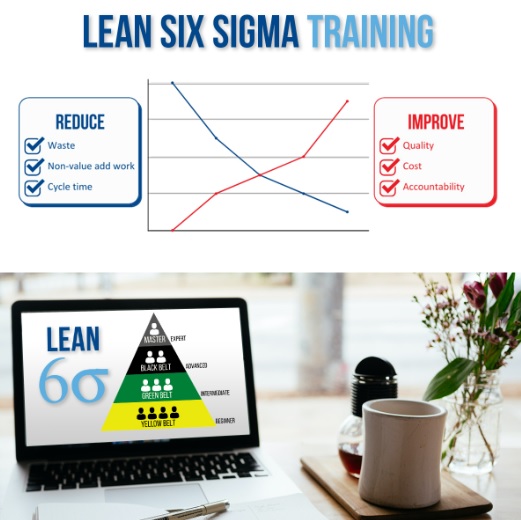
Training Offerings

We provide a wide range of specialized courses that cater to different professional levels, including

Scrum Master A Scrum Master is a facilitator and coach who helps a team implement and improve the Scrum framework, a lightweight Agile methodology.

Lean Six Sigma Yellow Belt Basic tools and concepts for process improvement.

Lean Six Sigma Green Belt Intermediate-level project management and problem-solving techniques.

Leon Six Sigma Black Belt Advanced process optimization and leadership training.

Data-Driven Decision-Making Analytical tools for informed business decisions.

Quality Design & Control interested in teaching English and becoming an entrepreneur

SS Methodology Organizing workplaces for better efficiency and safety.

Kanban for Continuous Improvement Workflow optimization with the Kanban system.

7 QC Tools Key tools for solving production and process issues.

Kaizen Training Promoting a culture of continuous improvement.

Statistical Process Control with Minitab Using Minitab for process performance analysis.

Toyota Production System Principles to reduce waste and enhance efficiency.

Inventory Management System Optimizing inventory for cost-efficiency and smooth operations.

Leon Manufacturing Streamlining processes and reducing waste in manufacturing.

Lean Six Sigma Master Black Belt Expert-level training for leading Lean Six Sigma initiatives across on organization.

Six Sigma Training

Six sigma and it's impact on professional work field

- Six Sigma is a set of tools and techniques used by organizations for process improvement and quality

- Aims to reduce variability and defects for improved efficiency and customer satisfaction

- Professionals trained in Six Sigma can lead process improvement initiatives and analyze data

- By using statistical tools, they can identify inefficiencies and make data-driven decisions for improvement

- Implementation of Six Sigma leads to increased productivity, reduced costs, and enhanced customer satisfaction

- Trained professionals are valuable assets to organizations, able to lead improvement initiatives and drive results

- Six Sigma equips professionals with skills to drive process improvement, reduce defects, and achieve near-perfect quality and performance in their organizations.

Six Sigma training is beneficial for various professionals across industries. Here's a breakdown:

By Role

1. Quality Managers: Enhance quality control and process improvement skills.

2. Operations Managers: Optimize processes, reduce waste, and improve efficiency.

3. Project Managers: Develop skills in project planning, execution, and control.

4. Process Improvement Specialists: Enhance analytical and problem-solving skills.

5. Team Leaders/Supervisors: Develop leadership and team management skills.

6. Engineers: Improve problem-solving, analytical, and technical skills.

7. Manufacturing/Production Professionals: Enhance quality control and process optimization.

8. Supply Chain Professionals: Improve logistics, procurement, and distribution processes.

By Industry:

  • Manufacturing: Automotive, Aerospace, Pharmaceuticals, Food Processing.
  • Healthcare: Hospitals, Medical Devices, Pharmaceutical companies.
  • Finance: Banking, Insurance, Financial Services.
  • Services: IT, Telecom, Hospitality, Education.
  • Government: Public Administration, Defense.

By Level:

  • Entry-level professionals: Seeking foundational knowledge in quality management.
  • Mid-level professionals: Looking to enhance skills and advance careers.
  • Senior professionals: Seeking advanced knowledge and certification.
  • Leaders/Executives: Focusing on strategic quality management and organizational improvement.

Specific Job Titles:

  • Quality Engineer.
  • Process Improvement Specialist.
  • Operations Manager.
  • Supply Chain Manager.
  • Lean Manager.
  • Continuous Improvement Manager.
  • Business Analyst.
  • Project Manager.

Prerequisites:

  • Basic math skills.
  • Understanding of statistical concepts.
  • Familiarity with process improvement methodologies (optional).
  • Relevant work experience (varies by certification level).

Certification Levels:

  • White Belt: Basic knowledge (no prerequisites).
  • Yellow Belt: Participation in improvement projects (basic knowledge).
  • Green Belt: Lead small-scale projects (1-2 years' experience).
  • Black Belt: Lead complex projects (2-5 years' experience).
  • Master Black Belt: Expert-level certification (5+ years' experience).

FAQ's

Six Sigma training is a set of techniques and tools used to improve processes within an organization. The goal of Six Sigma is to identify and eliminate defects in products or services, ultimately leading to increased efficiency and customer satisfaction.

Six Sigma training can provide professionals with valuable skills and knowledge that are highly sought after in today's competitive job market. By earning Six Sigma certification, you can demonstrate your ability to analyze data, improve processes, and drive positive change within an organization, which can lead to better job opportunities and increased earning potential.

There are several levels of Six Sigma certification, ranging from White Belt to Master Black Belt. Each level corresponds to a different level of expertise and experience with Six Sigma principles and practices. Depending on your career goals and the level of involvement you want to have in Six Sigma projects, you can choose the certification level that best suits your needs.

The length of Six Sigma training can vary depending on the certification level you pursue and the training provider you choose. Generally, training programs can last anywhere from a few days to several weeks, depending on the depth and intensity of the training. Some professionals choose to complete their training in a condensed format, while others prefer a more extended timeline to allow for a deeper understanding of the concepts.

YMany professionals wonder if investing time and money in Six Sigma training is worthwhile. The answer to this question ultimately depends on your career goals and the industry in which you work. In many cases, Six Sigma training can lead to increased job opportunities, higher salaries, and greater job security. However, it's essential to carefully consider your goals and the potential benefits of Six Sigma training before making a decision.